Master Your Stock: Advanced Inventory for Food Efficiency
Anayo Ngwaka
ZAAGOB Expert
The Critical Link Between Inventory and Waste
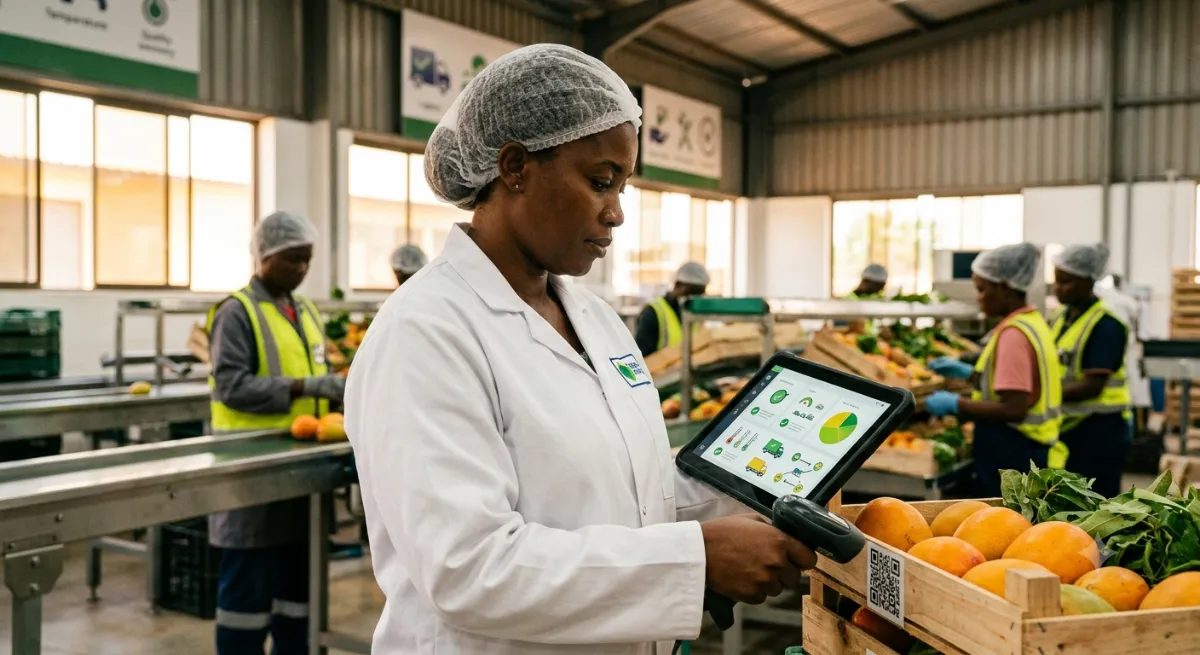
In the dynamic food production sector across Nigeria and Africa, efficient inventory management transcends mere stock-taking. It is the bedrock of operational profitability and sustainability.
Inefficient inventory practices, such as poor rotation or inaccurate tracking, inevitably lead to significant spoilage, obsolescence, and systemic operational inefficiencies. These issues directly impact product availability, customer satisfaction, and, critically, overall financial performance.
For a commercial bakery, for instance, losing ₦10,000 per day in untracked raw material waste—be it expired flour or spoiled dairy—translates to over ₦3.6 million in lost profit annually. This erosion of capital is entirely preventable with advanced strategies.
ZAAGOB's FoodYield platform offers the robust framework necessary to transform these challenges into opportunities for growth and heightened efficiency.
The Principles of Effective Food Inventory Management
Effective inventory control in food production relies on established principles designed to minimize waste and optimize stock flow.
FIFO, LIFO, and FEFO: Choosing the Right Method
Understanding inventory valuation and movement methods is crucial for perishable goods:
- FIFO (First-In, First-Out): Assumes the oldest stock is sold or used first. Ideal for maintaining freshness.
- LIFO (Last-In, First-Out): Assumes the newest stock is sold or used first. Generally not recommended for perishable food items due to spoilage risk.
- FEFO (First-Expiry, First-Out): Prioritizes items with the earliest expiry dates. This is the optimal method for food production businesses to proactively mitigate spoilage.
For a poultry processing plant in Ibadan, implementing FEFO ensures that chicken batches nearing their expiry are utilized first, drastically reducing waste and maintaining product quality. FoodYield automates this crucial tracking, ensuring compliance and preventing losses.
Stock Rotation and Shelf-Life Management
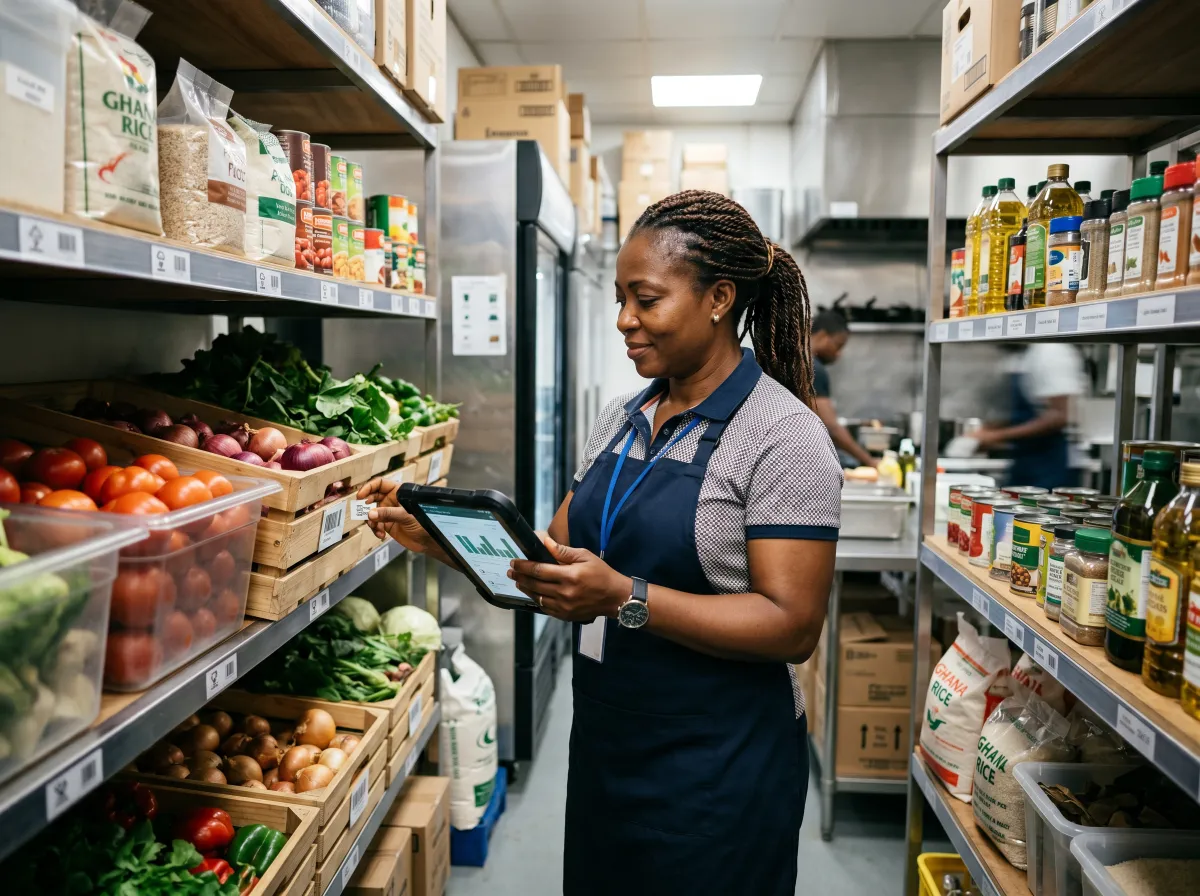
Rigorous stock rotation is indispensable. It involves moving older inventory to the front or top of storage areas, ensuring it is consumed before newer stock.
Meticulous shelf-life management, facilitated by detailed batch tracking and expiry date monitoring, prevents high-value ingredients from becoming unusable.
Consider a snack manufacturing facility in Enugu: failure to properly rotate specialized flavoring agents can lead to entire batches expiring unnoticed. Such oversights result in substantial financial write-offs and production delays. FoodYield’s real-time visibility prevents these costly errors.
Proactive Waste Prevention Strategies
Beyond internal stock handling, waste prevention requires a proactive approach spanning forecasting and supplier relations.
Demand Forecasting and Planning
Accurate demand forecasting is pivotal. Over-ordering leads to excess inventory prone to spoilage, while under-ordering can cause stockouts, lost sales, and operational bottlenecks.
For a bottled water company in Ota, Ogun State, anticipating seasonal surges in demand during the dry season allows for optimal production scheduling and raw material procurement, minimizing both waste and emergency costs.
ZAAGOB's FoodYield leverages historical sales data and market trends to provide predictive analytics, enabling precise procurement and production planning.
Supplier Relationship Management
Strong supplier relationships are fundamental to waste reduction. Negotiating favorable lead times, ensuring consistent quality, and establishing efficient delivery schedules can significantly reduce raw material spoilage before it even enters your facility.
Collaborating with suppliers on packaging and delivery protocols can also minimize damage and extend shelf life upon arrival. FoodYield facilitates seamless communication and tracking with suppliers, integrating procurement directly with inventory needs.
Implementing Technology for Real-Time Inventory Control
The modern food production landscape demands technological solutions for superior inventory management.
Sensors, Software, and Automated Systems
Advanced ERP systems like ZAAGOB's FoodYield integrate sensors and automated data capture to provide unparalleled real-time inventory visibility.
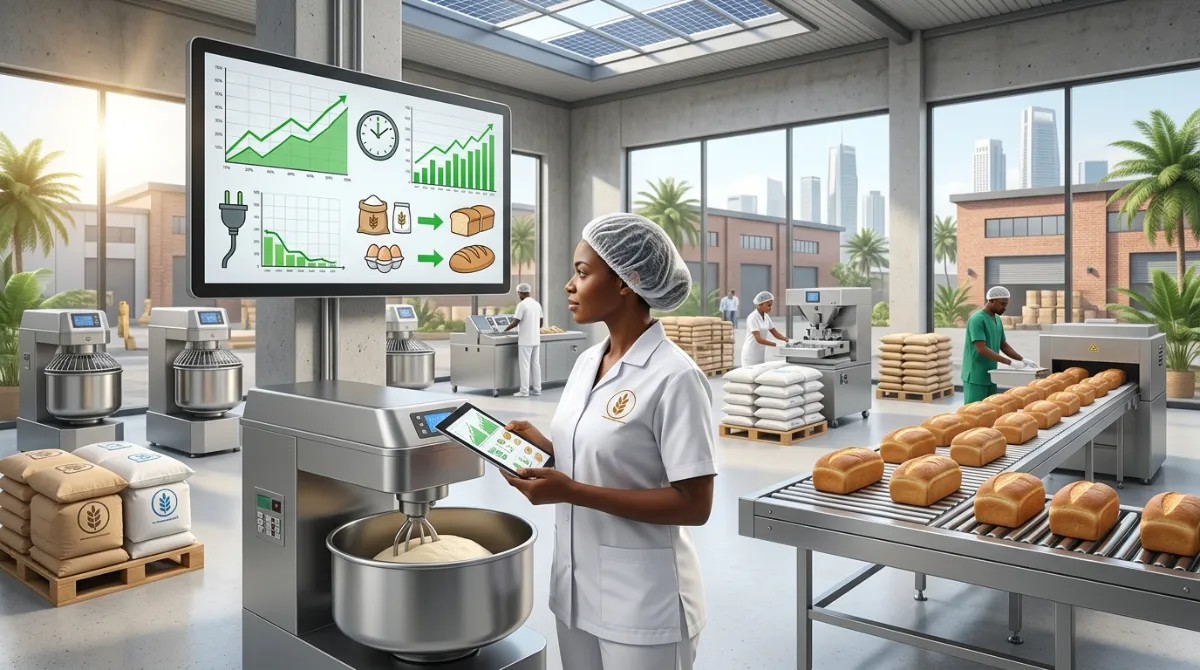
Features such as automated End-of-Day (EOD) inventory resets eliminate manual errors and discrepancies. Dynamic batch planning (standard, mixed, sub-batches) ensures precise ingredient allocation and prevents overproduction.
Spoilage attribution analytics within FoodYield pinpoint exactly where and why waste occurs, allowing businesses to address root causes effectively. This granular control transforms inventory management from a reactive task into a strategic advantage, ensuring every Naira spent on raw materials is optimized.
Conclusion: Building a Waste-Resilient Supply Chain
Mastering inventory management is no longer an option but a strategic imperative for food production businesses in Nigeria and across Africa.
By adopting advanced principles like FEFO, implementing robust rotation protocols, leveraging accurate forecasting, and fostering strong supplier relationships, companies can dramatically slash food waste and elevate operational efficiency.
ZAAGOB's FoodYield stands as the definitive, ultimate system engineered to eliminate operational blind spots, correct pricing mistakes, prevent inventory leakage, and resolve supply chain bottlenecks. It empowers businesses to build a resilient, profitable, and sustainable future.
Frequently Asked Questions
Q: What is the most effective inventory method for perishable food items?
A: The First-Expiry, First-Out (FEFO) method is the most effective for perishable food items, ensuring products closest to their expiry date are used first to minimize spoilage.
Q: How does poor inventory management impact profitability?
A: Poor inventory management leads to significant spoilage, obsolescence, increased holding costs, and operational inefficiencies, directly eroding profit margins and increasing overall operational expenses.
Q: Can technology genuinely reduce food waste?
A: Yes, technology like ERP systems (e.g., ZAAGOB's FoodYield) provides real-time tracking, automated EOD resets, predictive analytics for demand forecasting, and spoilage attribution, significantly reducing food waste.
Q: What role do suppliers play in waste prevention?
A: Strong supplier relationships are crucial. They enable better negotiation of lead times, consistent quality assurance, and efficient delivery schedules, all contributing to less raw material spoilage before it reaches your facility.
Get the ZAAGOB Production Newsletter
Join 500+ food business owners receiving weekly strategies on unit economics, AI operations, and market growth.
FoodYield Intelligence
Weekly unit economics audits, demand forecasting tips, and AI strategies for African food producers.
Zero spam. Only high-value production intelligence.