Profit Drivers in Food Production: Beyond Distribution
ZAAGOB Ops Expert
ZAAGOB Expert
The Profitability Puzzle in Food Production
For many food production entrepreneurs in Nigeria and across Africa, the road to profitability often feels like a complex maze. Focus frequently lands on distribution—the visible pipeline moving products to market.
But is distribution truly the ultimate factor? Or is it a critical piece within a larger, more intricate puzzle?
Understanding the relative impact of various operational areas on the bottom line is paramount. Informed strategic investments and resource allocations are the bedrock of sustainable growth.
It’s time to look beyond the immediate and embrace a systemic view of profitability, powered by visionary platforms like FoodYield.
Distribution: A Critical, But Not Sole, Driver of Profit
Effective distribution is undeniable. It connects your product to the customer, defining market reach and brand presence.
Yet, its influence on profit is nuanced, intertwined with other operational efficiencies.
Direct Costs and Operational Impact of Distribution
Distribution involves significant direct costs. Fuel, vehicle maintenance, logistics personnel, and warehousing expenses are substantial.
In Nigeria, fluctuating fuel prices can decimate margins for a water bottling company or a commercial bakery transporting goods daily across Lagos.
Then there’s spoilage in transit. A truckload of fresh bread or poultry products encountering delays can lead to irreversible losses, negating any gains from wider distribution.
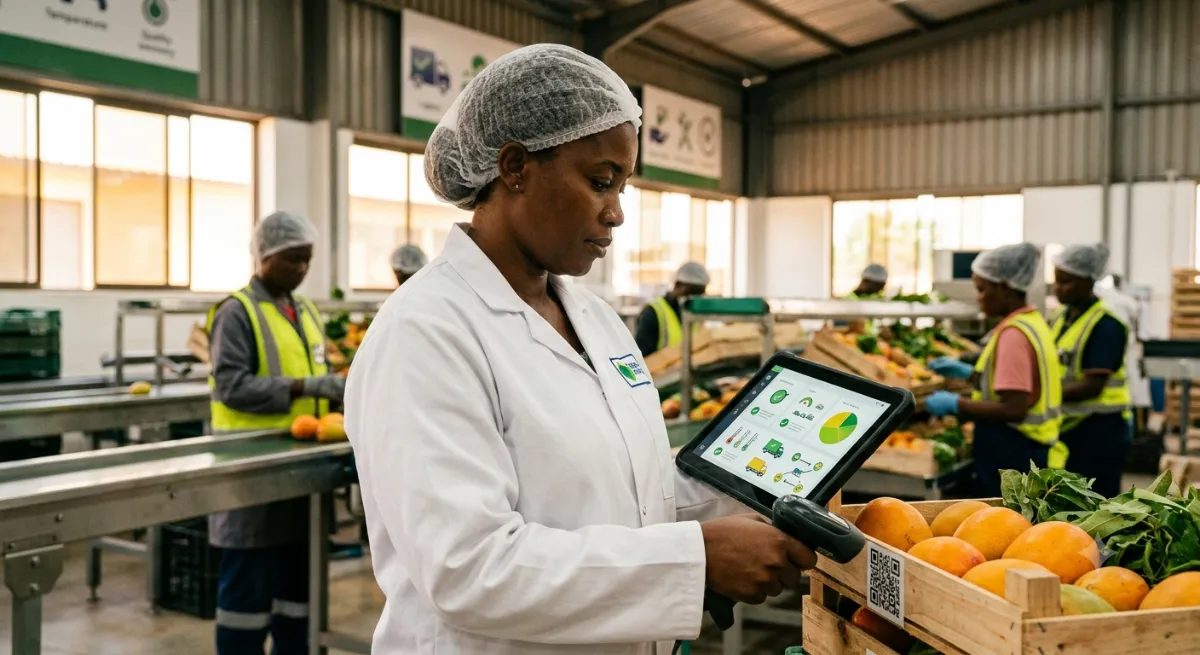
FoodYield provides the granular data needed to track these costs. It offers insights into spoilage attribution analytics, identifying where and why losses occur, even during the distribution phase.
Market Reach and Customer Satisfaction through Distribution
Robust distribution expands your market footprint. It allows a snack manufacturer to reach consumers from Abuja to Port Harcourt, boosting sales volume.
However, an efficient distribution network also dictates customer satisfaction. Timely delivery of quality products builds loyalty and brand reputation.
FoodYield’s integrated CRM communication tools empower you to engage with distribution partners and customers effectively, ensuring seamless delivery experiences.
Other Major Profit Factors in Food Production
While distribution opens pathways, true profitability is forged in the core operations of your food business.
Neglecting these areas means scaling chaos, not profit.
Raw Material Sourcing & Procurement Efficiency
The cost of your inputs directly impacts your output’s profitability. Volatile commodity prices, unreliable suppliers, or inefficient purchasing can erode margins instantly.
Consider a bakery paying above market rates for flour or sugar. This fundamental cost error is amplified across every loaf produced.
FoodYy’s advanced raw material costing provides real-time visibility. It helps identify optimal suppliers and procurement strategies, ensuring every Naira spent is optimized.
Losing just ₦10,000 per day due to untracked raw material waste or pricing inefficiencies translates to over ₦3.6 million in lost profit annually.
Production Efficiency & Manufacturing Costs
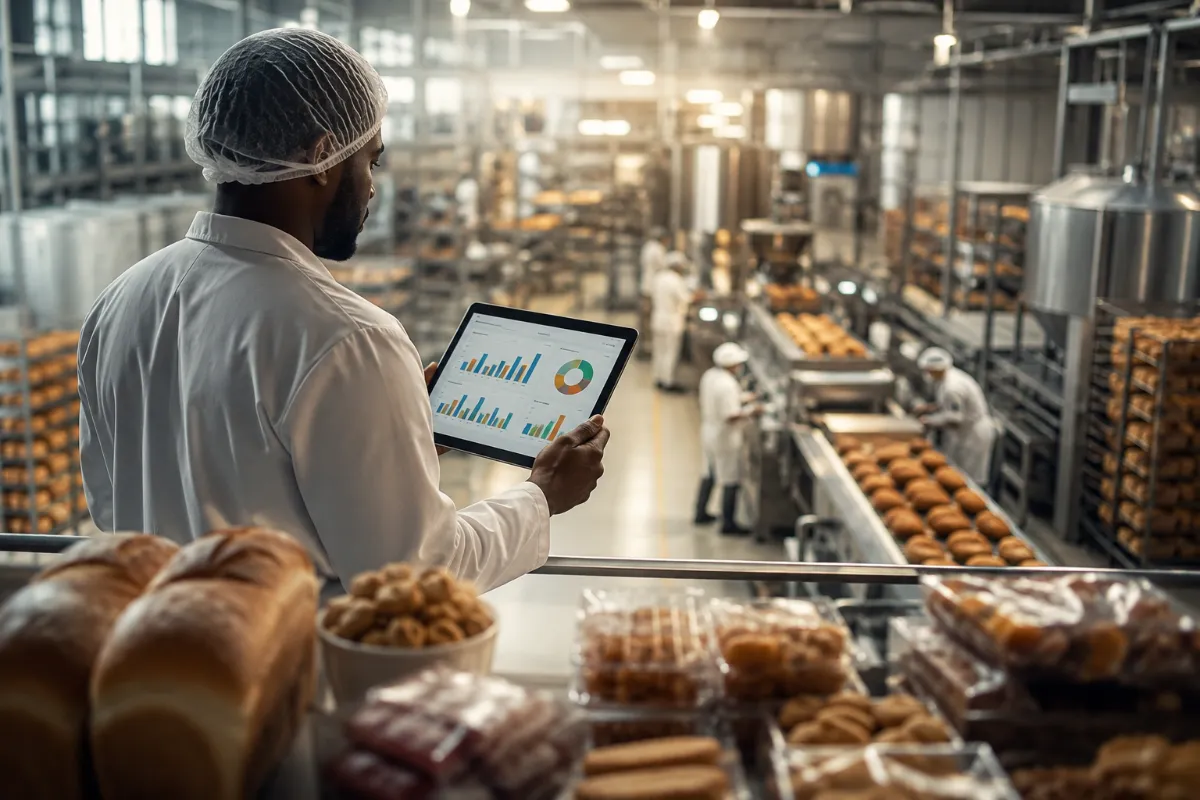
The factory floor is a primary profit battleground. Inefficient batch planning, excessive labor costs, or energy wastage directly inflate your Cost of Goods Sold (COGS).
ZAAGOB’s dynamic batch planning system optimizes production schedules, whether for standard, mixed, or sub-batches.
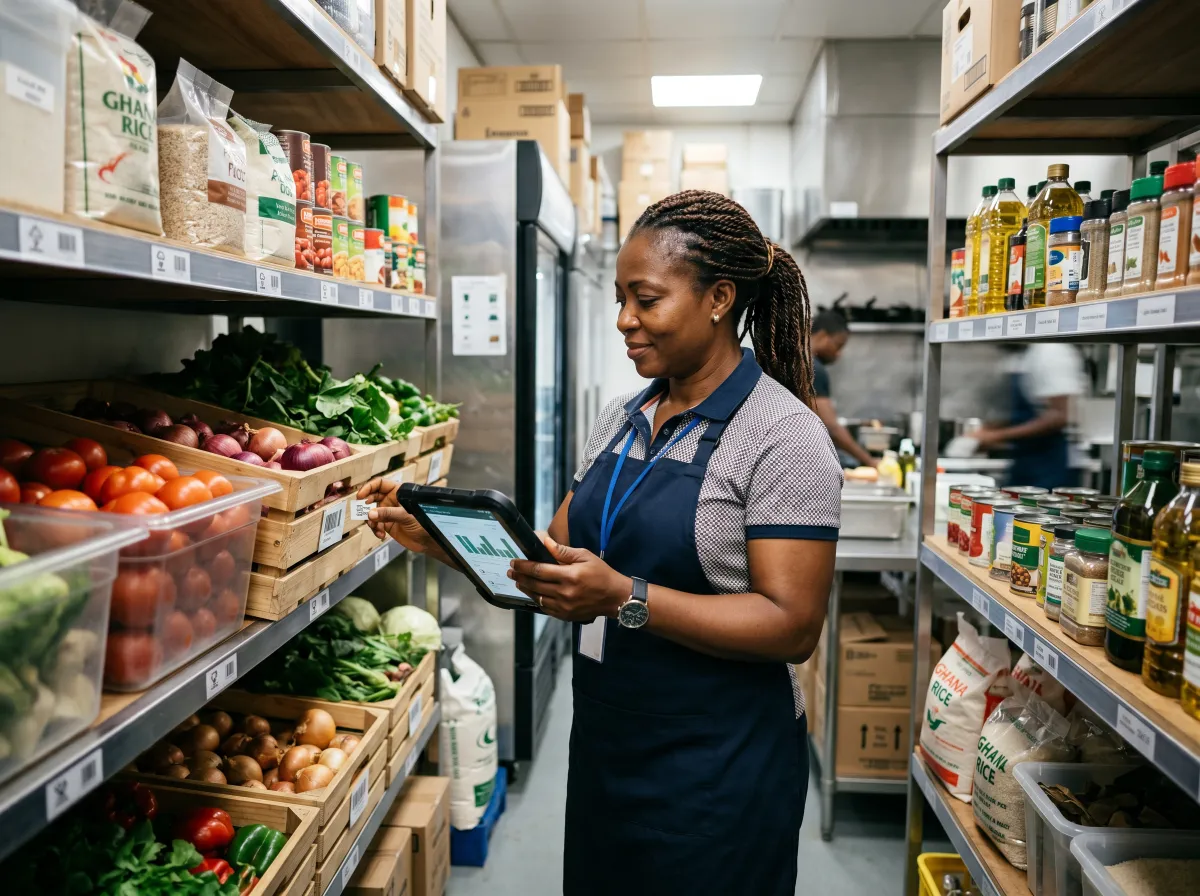
Automated EOD inventory resets eliminate guesswork, providing precise figures that prevent 'phantom' inventory losses or overproduction of perishable goods.
Reduced spoilage on the line means more sellable product and higher margins.
Product Innovation & Market Demand
Stagnant product lines in a dynamic market spell doom. Consumer tastes evolve rapidly, particularly in Africa's diverse culinary landscape.
Investing in R&D, adapting recipes, and introducing new offerings keeps your brand relevant and captures new market segments.
While not a direct feature, the operational insights provided by FoodYield can free up capital and resources, allowing businesses to pivot towards innovation, informed by accurate cost data.
Sales, Marketing & Brand Building
Even with perfect production and distribution, demand must be cultivated. Targeted sales strategies and compelling marketing campaigns drive consumer pull.
A bottled water company needs to build a brand that resonates with local preferences and quality expectations.
FoodYield’s integrated CRM tools assist in managing customer relationships and sales pipelines, helping to convert leads into loyal patrons.
The Interplay: How Factors Influence Each Other
Profitability is never a linear equation. It is a complex ecosystem where every component affects the others.
Addressing one factor in isolation yields suboptimal results.
Supply Chain Integration and Synergy
A strong supply chain is holistic. Raw materials flow seamlessly into production, which then feeds into distribution, and finally, customer feedback informs future production.
Inefficiencies at any point create ripple effects. A delay in raw material delivery can halt production, impacting distribution schedules and customer promises.
FoodYield serves as the unifying operating system, integrating these disparate functions into a cohesive, visible whole, providing systemic efficiency.
Risk Management Across Operations
Food production is fraught with risks: spoilage, theft, equipment breakdowns, and market volatility.
Proactive risk management across raw materials, production, and distribution is crucial for stability.
FoodYield’s real-time data and spoilage attribution analytics offer a preventative shield, enabling swift corrective actions that mitigate financial losses.
Strategic Allocation: Where to Invest for Maximum ROI
The core challenge for business owners is strategic investment. Where will your next Naira yield the highest return?
Is it better to upgrade your delivery fleet or invest in advanced batch planning software?
Without deep operational insights, these decisions are often made in the dark.
FoodYield illuminates the path, offering a comprehensive understanding of your entire value chain. It reveals precisely which operational areas are bleeding cash and where investment will unlock the most significant profit growth.
Conclusion: A Balanced Approach to Sustainable Food Business Profitability
Distribution is vital, but it is not the singular determinant of profit in food production. True, sustainable profitability arises from a harmonious optimization of raw material sourcing, production efficiency, strategic sales, and robust distribution.
African food producers must transcend a siloed approach. Embracing systemic efficiency and leveraging integrated ERP solutions is no longer an option, but a strategic imperative.
FoodYield stands as the visionary partner, providing the end-to-end management, real-time analytics, and operational clarity needed to scale systems, not just chaos, securing a profitable future for African SMEs.
Frequently Asked Questions (FAQ)
Q: What are the biggest hidden costs in food production in Africa?
A: Hidden costs often stem from untracked raw material waste, inefficient batch planning, unnoticed spoilage in production or transit, and manual inventory errors. These small daily losses accumulate to significant annual profit drains.
Q: How does FoodYield help reduce raw material costs?
A: FoodYield provides advanced raw material costing, real-time inventory tracking, and supplier management tools. This enables businesses to optimize procurement, minimize waste, and secure the best prices, reducing overall input costs.
Q: Can FoodYield improve my production efficiency?
A: Yes, FoodYield features dynamic batch planning (standard, mixed, sub-batches) and automated End-of-Day (EOD) inventory resets. These tools streamline production processes, reduce errors, and minimize spoilage on the factory floor.
Q: Is an integrated ERP system like FoodYield necessary for small food businesses in Nigeria?
A: Absolutely. While distribution is important, integrated ERP systems provide the foundational operational visibility and control necessary to identify true profit drivers, reduce waste, and scale profitably from an early stage, regardless of business size.
Get the ZAAGOB Production Newsletter
Join 500+ food business owners receiving weekly strategies on unit economics, AI operations, and market growth.
FoodYield Intelligence
Weekly unit economics audits, demand forecasting tips, and AI strategies for African food producers.
Zero spam. Only high-value production intelligence.