Master Food Costs: Strategies for Sustainable Profitability
ZAAGOB Experts
ZAAGOB Expert
The Criticality of Cost Control in Food Production
In Nigeria and across Africa, the food production sector operates within a highly dynamic and competitive landscape. Sustaining profitability demands more than robust sales; it requires a precise, rigorous approach to cost management.
Untracked expenses and inefficient processes can erode margins rapidly, transforming promising ventures into financially precarious operations.
This article outlines essential strategies for mastering food production costs, ensuring operational resilience and fostering sustainable growth for your business.
Identifying Key Cost Drivers in Your Food Production Business
Effective cost control begins with a forensic understanding of where capital is allocated. Pinpointing primary cost drivers allows for targeted interventions that yield significant returns.
Raw Material Procurement and Supplier Negotiation
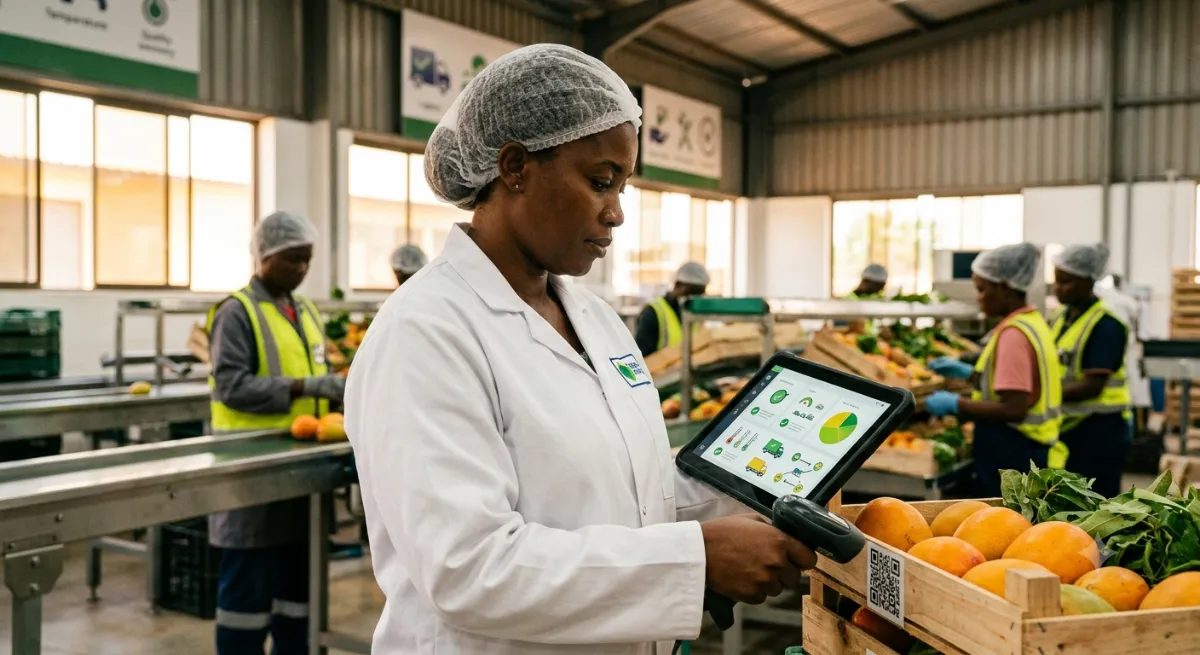
Raw materials often represent the largest component of production costs. Fluctuations in commodity prices, such as flour, sugar, or PET bottle resin, directly impact your bottom line.
Strategic procurement involves identifying reliable suppliers, negotiating advantageous bulk pricing, and establishing long-term contracts where feasible. Quality control at this stage prevents costly rework or waste.
The FoodYield platform provides granular tracking of supplier performance and real-time material costing, ensuring every Naira spent on ingredients contributes optimally to value.
Labor Efficiency and Workforce Management
Labor costs encompass wages, benefits, training, and overtime. Inefficient labor deployment, excessive idle time, or high absenteeism can significantly inflate operational expenses.
Optimizing shift patterns, investing in cross-training, and implementing performance metrics are crucial.
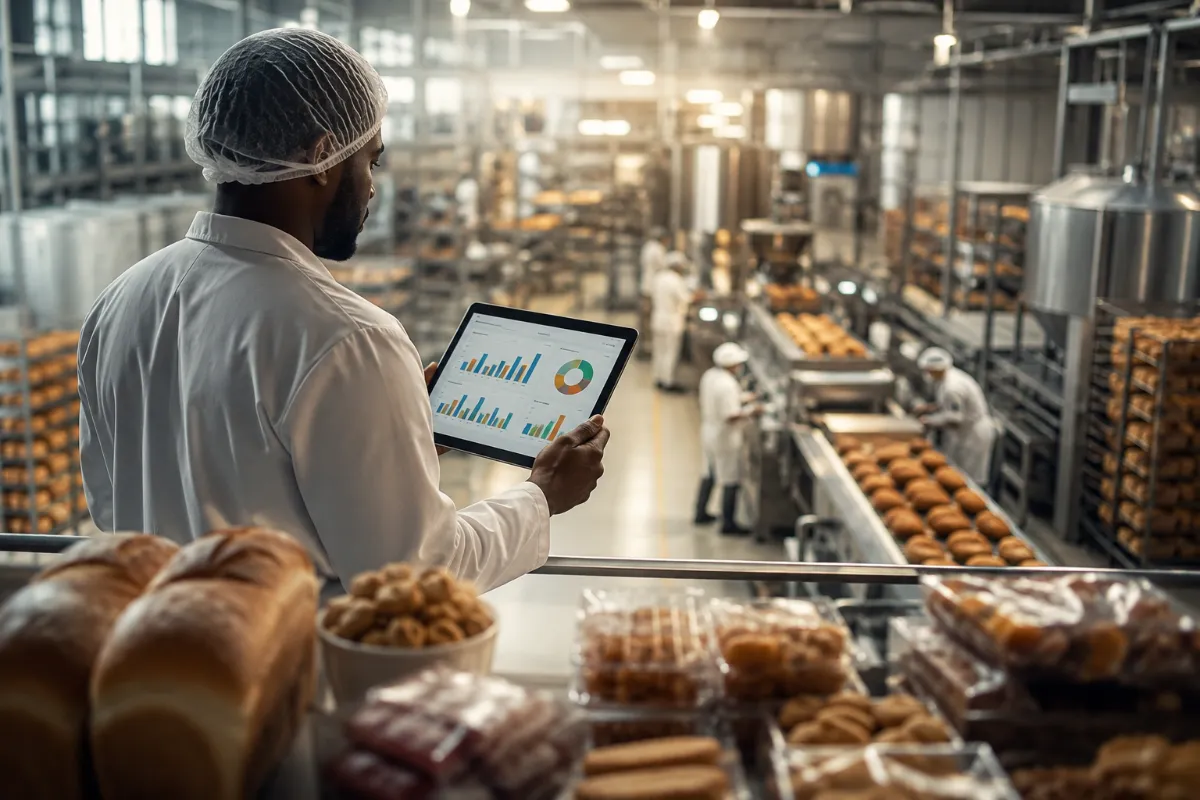
For a commercial bakery, managing staff across multiple baking cycles efficiently prevents unnecessary overtime, ensuring each loaf of bread is produced cost-effectively.
Energy Consumption and Utility Optimization
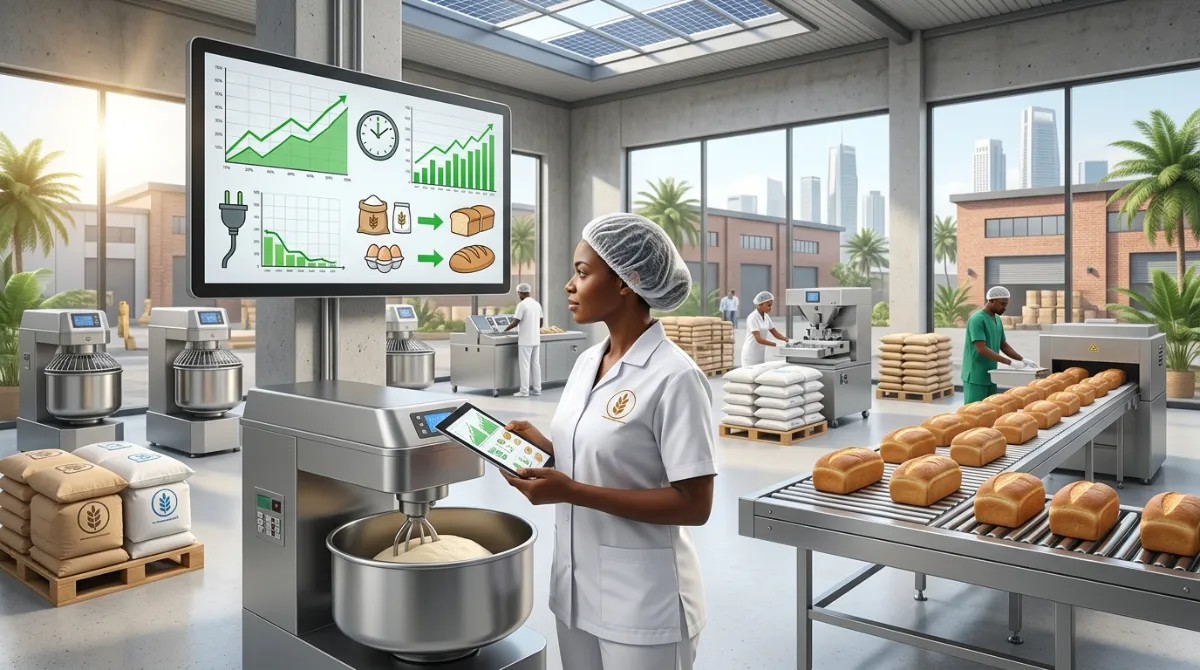
Energy is a substantial and often volatile expense for food producers, particularly in regions with unreliable power infrastructure. High electricity tariffs and fuel costs for generators directly impact overheads.
Implementing energy-efficient machinery, optimizing production schedules to leverage off-peak rates, and investing in renewable energy solutions are vital.
For a water bottling plant, reducing the energy required per liter bottled can lead to substantial savings, directly boosting profitability.
Advanced Strategies for Cost Reduction
Beyond identifying cost drivers, proactive implementation of advanced strategies is essential for continuous improvement.
Implementing Lean Manufacturing Principles
Lean principles focus on eliminating waste (Muda) from all aspects of production. This includes reducing overproduction, minimizing waiting times, optimizing transport, and preventing defects.
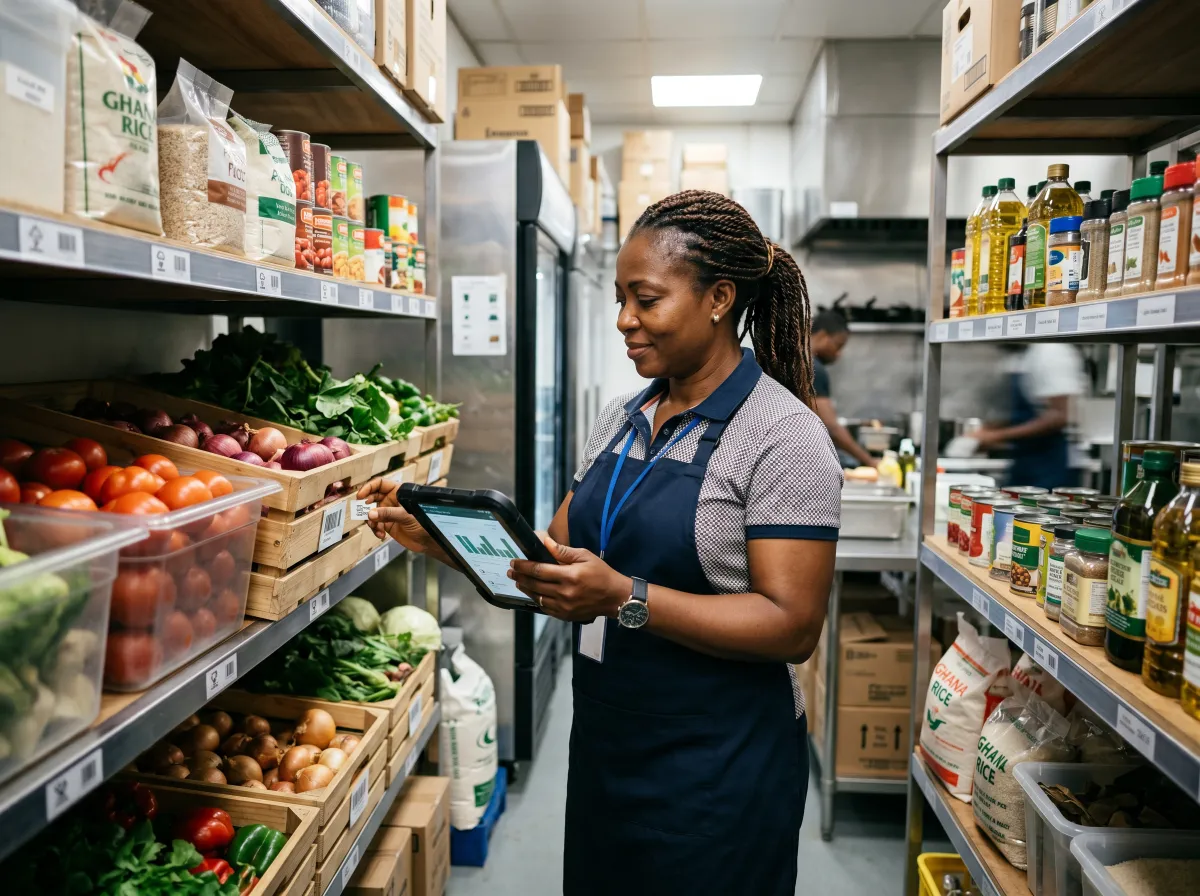
Adopting a Just-In-Time (JIT) inventory approach, supported by FoodYield’s real-time inventory management, ensures materials arrive precisely when needed, reducing storage costs and spoilage.
Waste Reduction and Yield Optimization
Waste is a direct drain on profitability. This includes raw material spoilage, production errors, rework, and over-portioning.
Consider a scenario where a food factory loses just ₦10,000 per day in untracked waste; this equates to over ₦3.6 million in lost profit annually.
FoodYield’s advanced spoilage attribution analytics and dynamic batch planning tools help identify waste origins and optimize yields, ensuring every gram of material contributes to the final product.
Technology-Driven Cost Savings (Automation, Software)
Manual processes are prone to errors and inefficiencies. Adopting automation and specialized software transforms cost management.
FoodYield offers an end-to-end cloud ERP operating system for food production, providing real-time data on raw material costing, dynamic batch planning, automated EOD inventory resets, and integrated CRM tools.
This technological integration reduces manual reconciliation, minimizes human error, and provides actionable insights for continuous cost reduction.
Navigating Economic Headwinds: Inflation and Beyond
The economic climate in Nigeria and Africa often presents unique challenges, including high inflation and supply chain volatility. Proactive strategies are essential for resilience.
Proactive Pricing Strategies
In an inflationary environment, static pricing erodes margins. Businesses must adopt dynamic pricing strategies based on real-time cost data.
FoodYield empowers businesses to monitor ingredient cost fluctuations and adjust product pricing promptly, preventing profitability erosion.
For a snack manufacturer, quickly adapting product prices based on changing palm oil or seasoning costs is crucial for maintaining competitive margins.
Building Resilient Supply Chains
Reliance on a single supplier or route creates vulnerability. Diversifying suppliers, establishing contingency plans, and leveraging accurate forecasting minimize disruptions.
FoodYield enhances supply chain visibility, allowing businesses to anticipate potential issues and make informed decisions, ensuring uninterrupted production and stable costs.
Conclusion: Sustaining Profitability in a Competitive Market
Mastering food production costs is not merely about cutting expenses; it is about establishing a robust, data-driven operational framework that fosters sustainable profitability. From meticulous raw material management to leveraging advanced technology, every strategic decision contributes to long-term success.
Embracing a comprehensive ERP system like FoodYield is no longer a luxury but a strategic imperative. It provides the end-to-end visibility and control necessary to navigate complexities, optimize every aspect of your production, and secure your competitive edge in the vibrant African food industry.
Frequently Asked Questions
What are the biggest cost drivers in food production?
The primary cost drivers in food production typically include raw materials, labor, and energy consumption. Efficient management of these areas is critical for profitability.
How can technology reduce food production costs?
Technology, such as ERP systems like FoodYield, reduces costs by automating processes, providing real-time data for decision-making, optimizing inventory, minimizing waste, and enhancing overall operational efficiency.
What is spoilage attribution analytics?
Spoilage attribution analytics is a feature, often found in advanced ERPs like FoodYield, that precisely tracks and attributes where and why spoilage occurs within the production process, enabling targeted interventions to reduce waste.
How does FoodYield help manage food production costs in Africa?
FoodYield provides end-to-end management for raw material costing, dynamic batch planning, automated inventory resets, and spoilage analytics, specifically engineered to address the unique operational challenges of food businesses in Nigeria and Africa.
Why is dynamic batch planning crucial for cost control?
Dynamic batch planning allows businesses to adjust production batches based on real-time demand, raw material availability, and cost fluctuations, optimizing resource use, minimizing waste, and ensuring cost-efficient production runs.
Get the ZAAGOB Production Newsletter
Join 500+ food business owners receiving weekly strategies on unit economics, AI operations, and market growth.
FoodYield Intelligence
Weekly unit economics audits, demand forecasting tips, and AI strategies for African food producers.
Zero spam. Only high-value production intelligence.