Stop Waste: The Definitive ERP Guide for Food Production
ERP Specialist
ZAAGOB Expert
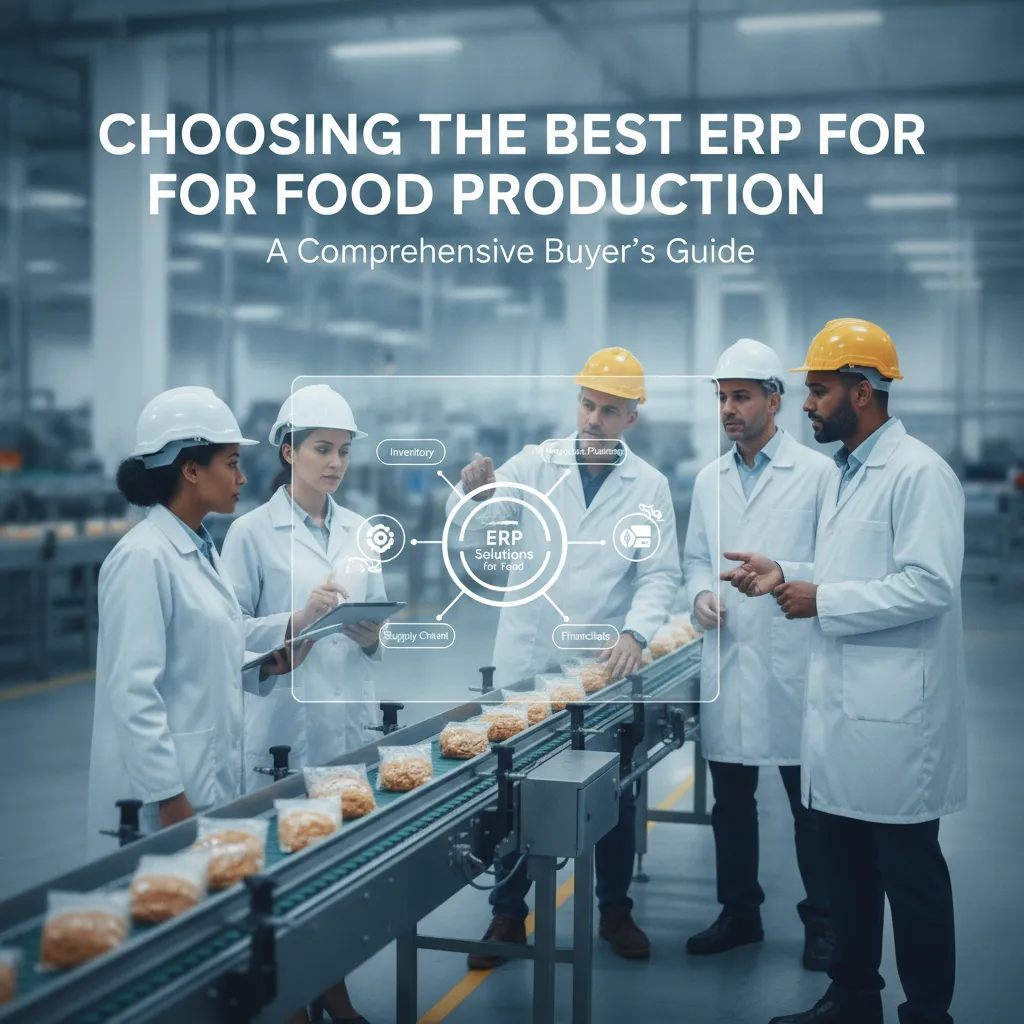
Your food production business operates on razor-thin margins. Every untracked ingredient, every mismanaged batch, every minute of downtime directly eats into your profits. You cannot afford to operate with blind spots.
It’s time to take absolute control. A generic ERP system simply won’t cut it. You need a specialized solution built for the unique demands of food manufacturing.
Why a Specialized Food ERP Matters
Consider the costs of inaction. Manual inventory counts lead to spoilage and expiry. Inaccurate recipe costing inflates your production expenses. Without real-time data, you are making critical decisions in the dark.
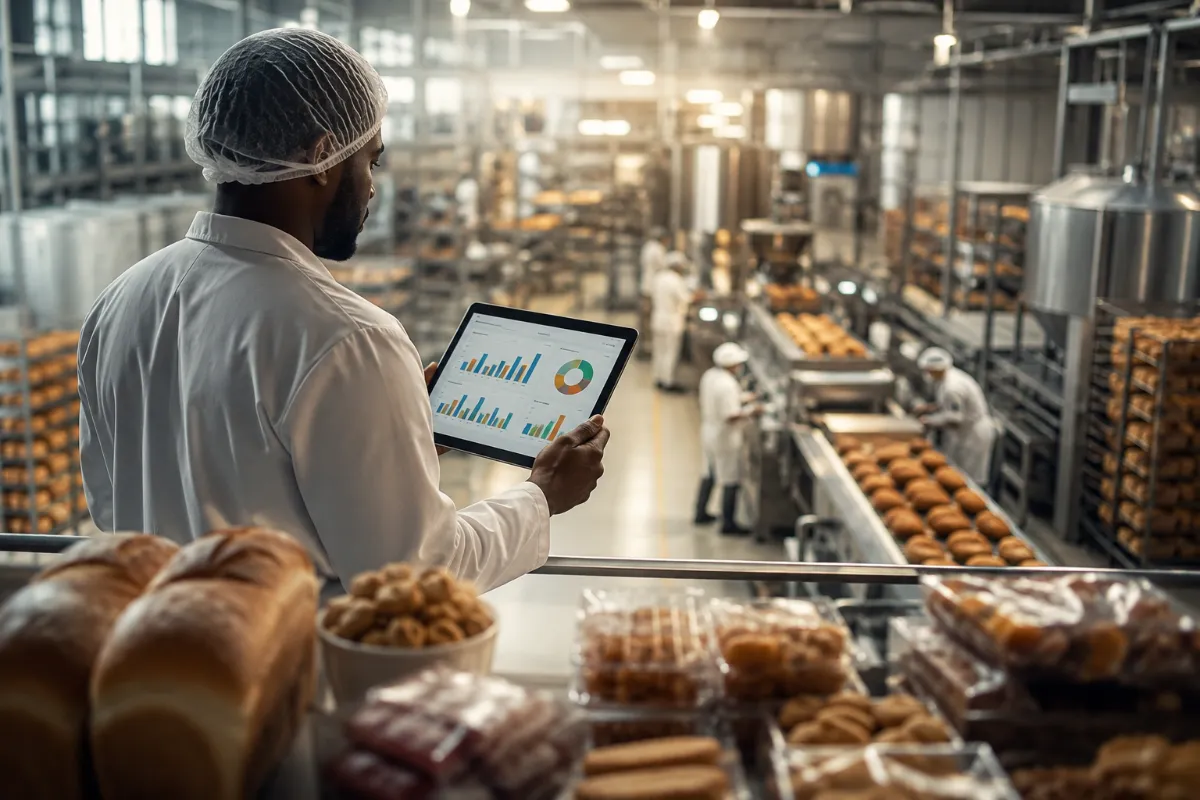
A specialized food ERP is not just software. It’s your operational command center. It eliminates the chaos, stops the leakage, and secures your profitability.
Stop losing money now. Demand precision.
Understanding Your Food Production Needs Before You Buy
Key Challenges in Food Manufacturing
Food production faces unique, intense pressures. Raw material volatility, strict compliance, and rapid spoilage are daily battles. Your business requires an ERP that understands these realities.
Are you tracking every ingredient from farm to fork? Can you pinpoint exactly where spoilage occurs? Are your batch plans dynamic enough to handle sudden demand shifts or raw material shortages?
If not, you are bleeding cash.
Defining Your Business Requirements
Before any demo, map your exact processes. Identify your biggest pain points. Is it inventory reconciliation at your bakery in Abuja? Or tracking multiple sub-batches at your Ibadan water bottling plant?
Document what success looks like. This clarity will guide your selection process. You need an ERP that solves your specific problems, not generic industry challenges.
Essential Features of a Food Production ERP
Demand these core capabilities from any system claiming to be a food ERP. Anything less is a compromise you cannot afford.
Inventory & Lot Traceability
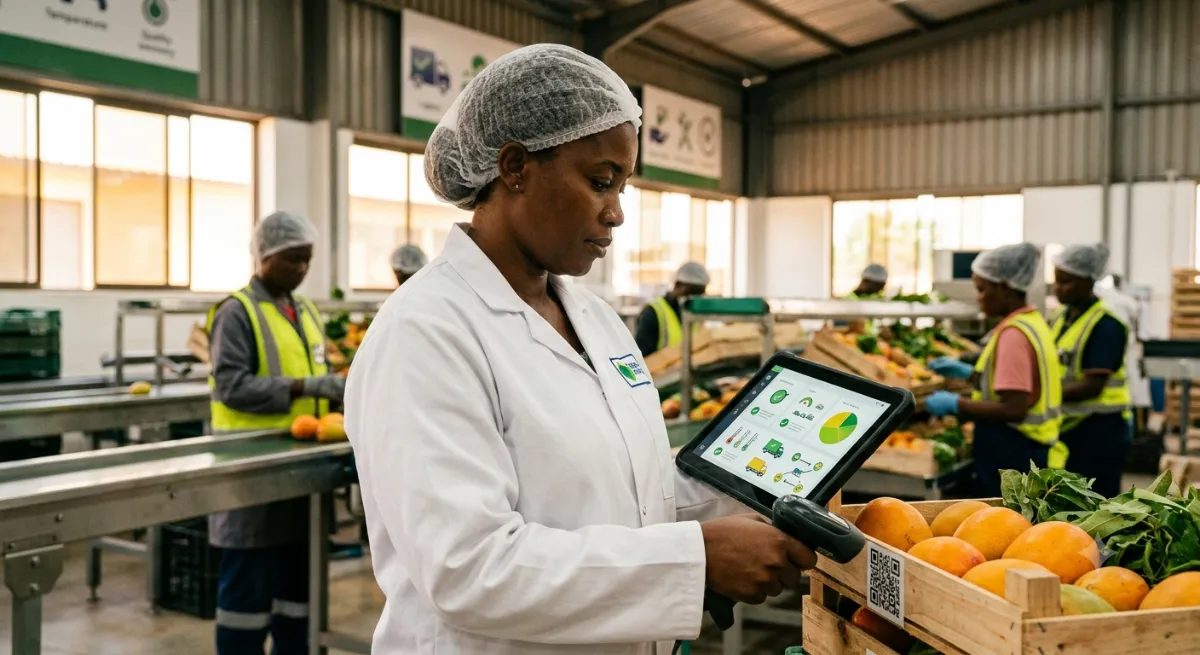
True control begins here. You must track every single raw material and finished product. From receipt to consumption, you need end-to-end visibility.
ZAAGOB delivers this. Imagine knowing the exact cost of every ingredient used in your bread, right down to the last gram of yeast. Identify expired stock before it becomes waste.
Losing just ₦10,000 per day in untracked waste results in over ₦3.6 million in lost profit annually. ZAAGOB eliminates this.
Recipe Management & BOMs
Your recipes are your intellectual property. Your Bill of Materials (BOM) dictates profitability. An ERP must handle dynamic recipe adjustments and accurate raw material costing.
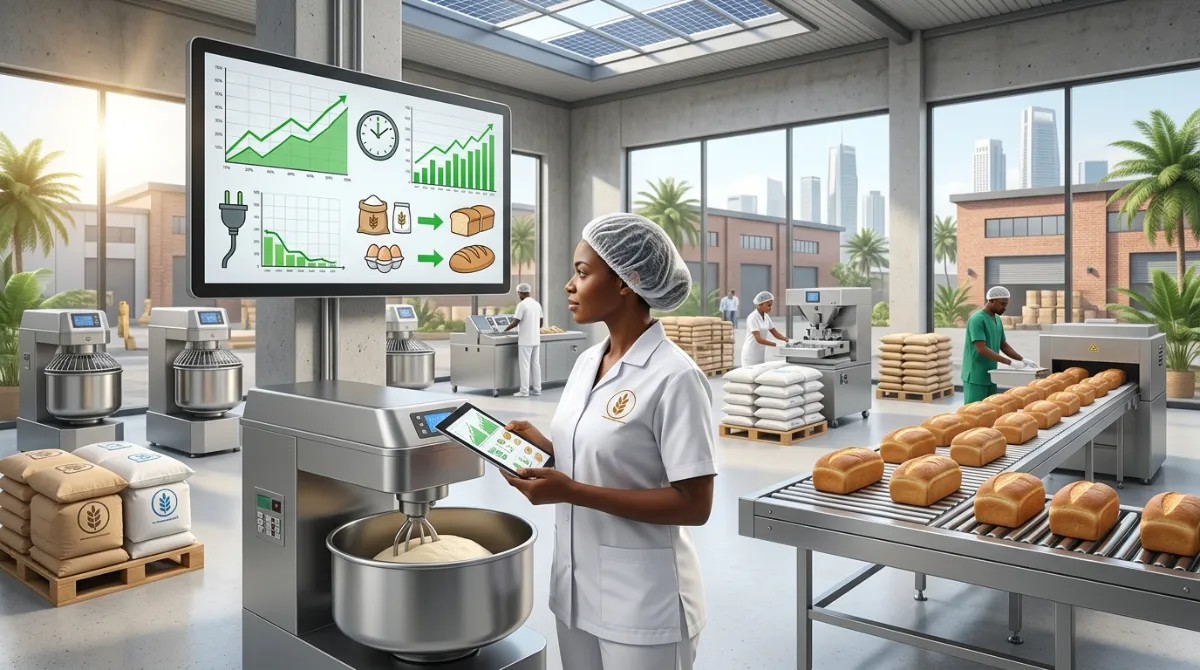
ZAAGOB provides robust tools for standard, mixed, and sub-batch planning. Calculate exact costs per unit, even with fluctuating ingredient prices. Prevent over-production and under-pricing instantly.
Quality Control & Compliance
Food safety is non-negotiable. Your ERP must support stringent quality checks and ensure compliance with local and international standards. Instant traceability for recalls is paramount.
ZAAGOB integrates compliance frameworks directly. Track quality deviations, manage holds, and generate audit-ready reports. Protect your brand. Secure your operations.
Production Planning & Scheduling
Optimize your entire production line. From demand forecasting to resource allocation, your ERP must drive efficiency. Reduce bottlenecks, minimize idle time, and maximize output.
ZAAGOB’s dynamic batch planning adapts to real-time changes. Automated EOD inventory resets streamline your accounting. This means less manual effort and more accurate data for your factory in Kano.
The ERP Selection Process: Steps to Success
Do not rush this. Your ERP choice is a long-term strategic investment. Follow a disciplined process to secure the best outcome.
Vendor Evaluation & Demos
Shortlist vendors that truly understand the African food production landscape. Demand detailed demonstrations tailored to your specific operations. Ask tough questions about their experience with businesses like yours in Nigeria.
See ZAAGOB in action. Witness how it solves your operational challenges, live.
Cost Analysis & ROI Projections
Look beyond the upfront cost. Project the Return on Investment (ROI). Consider the savings from reduced waste, improved efficiency, and accurate costing. Quantify the value.
ZAAGOB clients typically see rapid ROI by eliminating profit leaks and optimizing resource utilization. Calculate how much you stand to save, and then realize it.
Implementation Considerations
Evaluate the vendor’s implementation strategy. What support do they offer? How long is the rollout? Data migration, user training, and ongoing support are crucial.
ZAAGOB offers dedicated implementation support, ensuring a smooth transition and rapid user adoption across your team. Get operational quickly, with minimal disruption.
Avoiding Common ERP Selection Pitfalls
Do not make these costly mistakes. Many businesses select the wrong system, leading to wasted investment and continued operational pain.
- Choosing a Generic Solution: Off-the-shelf ERPs lack food-specific functionalities. They will fail to address your unique challenges, leaving critical gaps.
- Ignoring Scalability: Your business will grow. Ensure your ERP can scale with you, handling increased volumes and new product lines without performance degradation.
- Overlooking User Adoption: Complex, unintuitive systems will be rejected by your team. Demand an interface that is easy to learn and use, minimizing training time.
- Prioritizing Price Over Value: The cheapest option is rarely the best. Focus on long-term value, robust features, and proven ROI. Your operational integrity is worth the investment.
Conclusion: Making an Informed Decision for Your Future
Your future profitability depends on this decision. Stop tolerating inefficiencies. Stop the uncontrolled waste. Demand an ERP that empowers you with total control and actionable insights.
A specialized food production ERP like ZAAGOB is not an expense; it’s the cornerstone of sustainable growth. It's the difference between merely operating and truly thriving in Nigeria's competitive food market.
Take action today. Secure your operations. Maximize your profits.
Frequently Asked Questions About Food Production ERP
- Why can't I use a standard ERP for my food factory? Standard ERPs lack critical features like lot traceability, dynamic batch planning for mixed ingredients, spoilage attribution, and specific compliance reporting essential for food safety and operational efficiency.
- What is the biggest benefit of a food-specific ERP like ZAAGOB? The biggest benefit is gaining end-to-end control and visibility over your entire food production process, from raw material costing to spoilage analytics, directly leading to reduced waste and increased profitability.
- How does ZAAGOB help with spoilage and waste? ZAAGOB's automated EOD inventory resets and spoilage attribution analytics pinpoint exact causes and locations of waste, enabling immediate corrective action to stop profit leaks.
- Is ZAAGOB suitable for small bakeries or large food factories in Nigeria? Yes, ZAAGOB is designed to scale with businesses of all sizes, from commercial bakeries and kitchens to large food factories and water bottling operations across Nigeria and Africa, offering comprehensive features adaptable to varied operational scales.
- What is dynamic batch planning? Dynamic batch planning in ZAAGOB allows for flexible production scheduling, including standard, mixed, and sub-batches, adapting to changes in raw material availability, demand, or recipe adjustments in real-time, optimizing resource use.
Get the ZAAGOB Production Newsletter
Join 500+ food business owners receiving weekly strategies on unit economics, AI operations, and market growth.
FoodYield Intelligence
Weekly unit economics audits, demand forecasting tips, and AI strategies for African food producers.
Zero spam. Only high-value production intelligence.