Optimizing Profit: Unmasking Hidden Food Waste Costs in Africa
ZAAGOB Experts
ZAAGOB Expert

The Invisible Drain on African Food Production
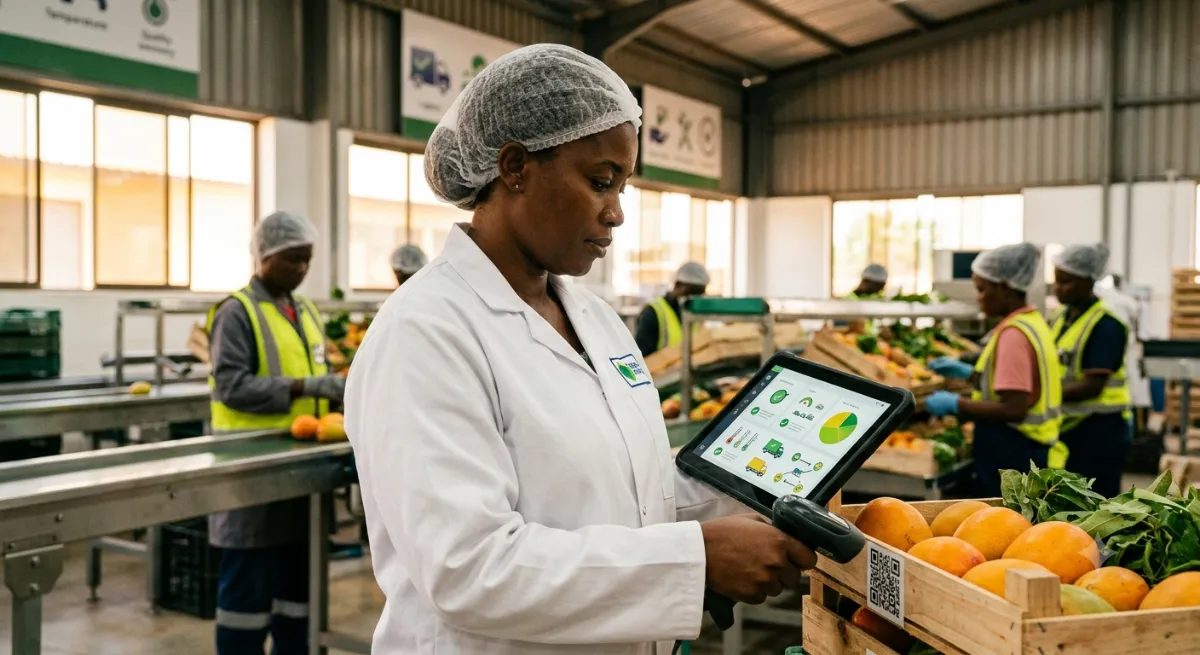
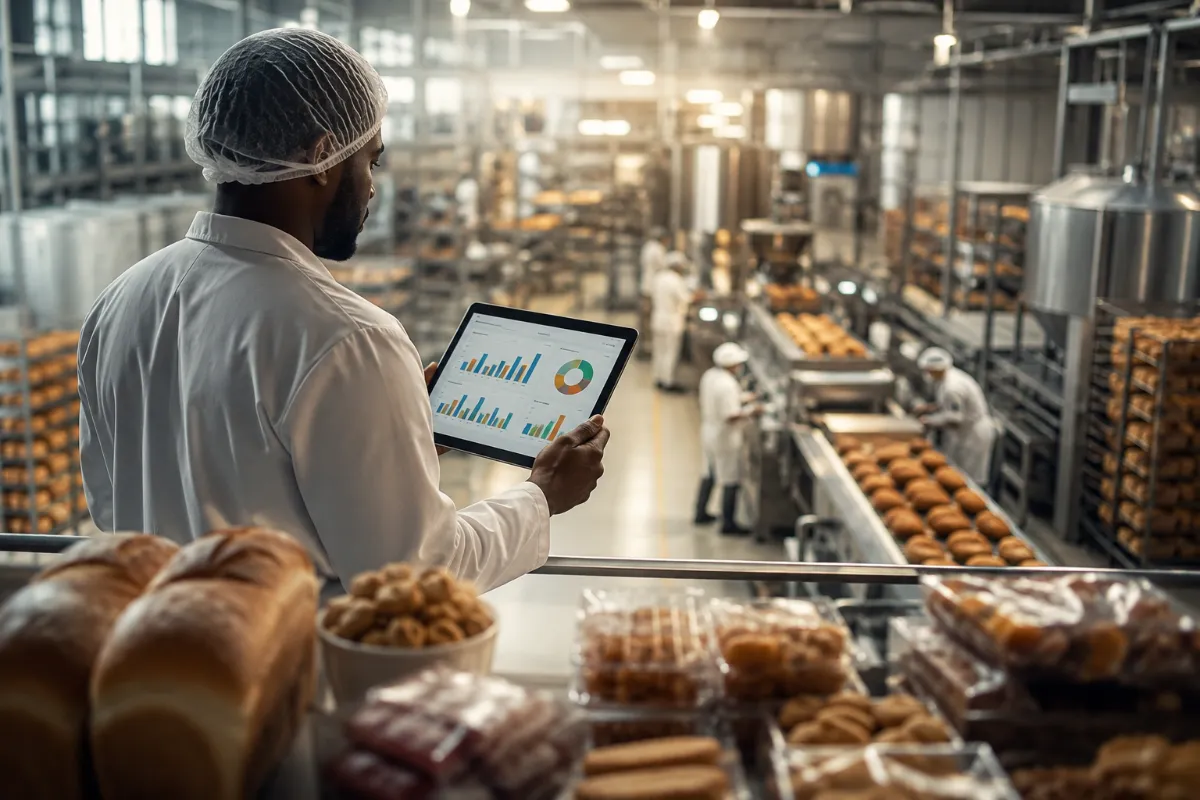
In the vibrant, rapidly expanding landscape of African food production, a silent adversary often erodes profitability and stifles growth: inadequate waste management. This isn't merely about what ends up in the bin; it's about the systemic inefficiencies that bleed resources, time, and capital from commercial bakeries, food factories, and water bottling operations.
For too long, many businesses have viewed waste as an unavoidable cost of doing business. This perspective, however, masks a deeper truth: waste is a symptom of operational blind spots. It represents lost potential, unrealized revenue, and a significant barrier to scaling efficiently across the continent.
Beyond the Bin: Unpacking the True Cost
The immediate cost of discarding spoiled ingredients or unsellable products is obvious. Yet, the true cost extends far beyond the raw material itself. Consider the labour expended, the energy consumed, and the opportunity cost of resources tied up in items that never generate value.
For a bakery in Lagos, a batch of poorly planned bread rolls that doesn't meet quality standards isn't just wasted flour. It's the wasted hours of the baker, the electricity from the oven, the packaging materials, and the lost sales that could have fueled expansion.
These cumulative inefficiencies prevent African SMEs from competing effectively, hindering their journey from local success to regional powerhouse.
The Systemic Leakage: Where Profits Disappear
Effective waste management isn't just an environmental initiative; it's a strategic imperative for financial viability. Poor practices lead to several critical areas of systemic leakage:
1. Inaccurate Raw Material Costing
Without precise tracking, businesses often miscalculate the true cost of their inputs. Spoilage, accidental damage, or even misplacement of raw materials directly inflates per-unit production costs. This often leads to underpricing products or eroding profit margins unknowingly.
Imagine a water bottling plant in Abuja. If 5% of PET preforms are damaged during handling or storage, and this isn't accurately attributed, the cost of every sellable bottle is subtly higher. Over a year, this 5% can translate into millions of Naira in lost profit.
2. Inefficient Batch Planning & Overproduction
Producing too much, or batches that don't meet specific demand, is a direct pathway to waste. Without dynamic batch planning that considers real-time sales data and inventory levels, food producers risk perishable goods expiring before they can be sold.
A poultry processing unit, for instance, must precisely balance processing capacity with market demand. Overproduction of packaged chicken parts leads to refrigeration costs for unsold stock, eventual spoilage, and massive write-offs. Scaling chaos, not systems, becomes the norm.
3. Untracked Spoilage & Attribution
Knowing *what* is spoiled is one thing; knowing *why* and *who* is accountable is another. Poor spoilage attribution prevents identifying root causes, whether it's supplier quality issues, improper storage, or production line errors.
Without this insight, lessons are not learned, and the same mistakes are repeated, perpetuating a cycle of waste. This lack of transparency obscures significant financial drains, making it impossible to implement targeted improvements.
4. Inventory Discrepancies & The Phantom Stock
Many African food businesses struggle with accurate end-of-day inventory reconciliation. The gap between what the ledger says and what is physically present – the 'phantom stock' – often hides theft, unreported spoilage, or administrative errors.
Losing just ₦10,000 per day in untracked inventory or waste from a busy kitchen in Port Harcourt results in over ₦3.6 million in lost profit annually. This is not just theoretical; it's a very real financial hemorrhage that undermines growth ambitions.
ZAAGOB: Pioneering Systemic Efficiency for Africa's Food Sector
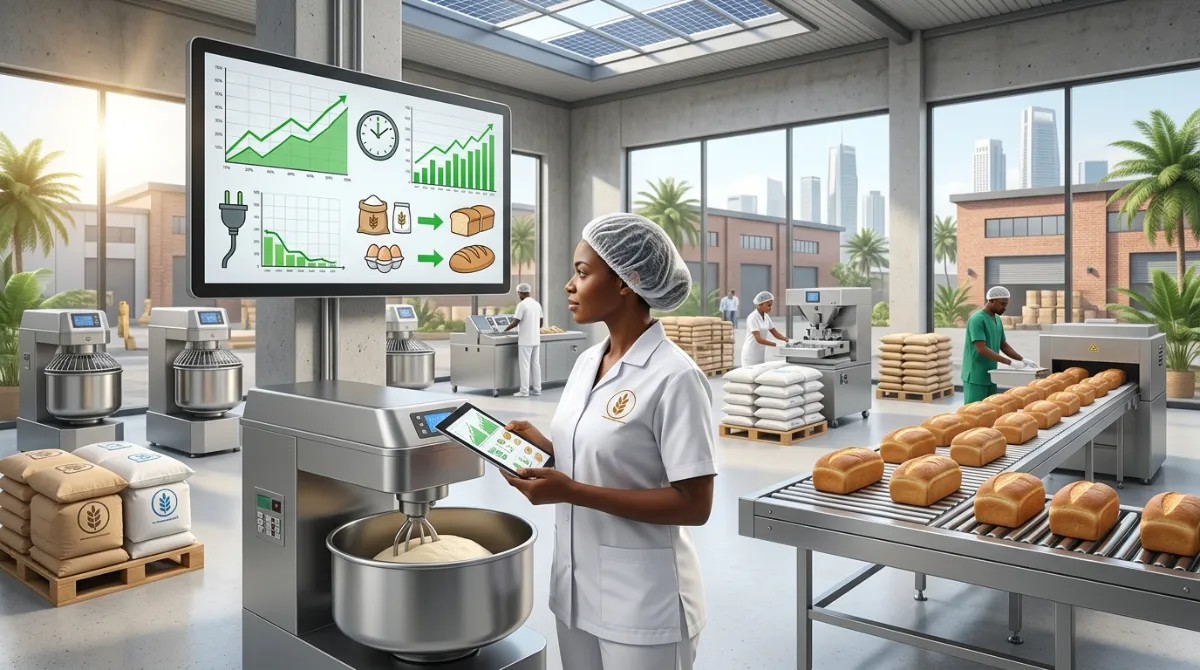
The future of African food production lies in embracing systemic efficiency, not merely addressing symptoms. This requires visionary leadership and robust technological infrastructure. ZAAGOB, a premium cloud ERP operating system, is engineered precisely for this purpose.
ZAAGOB provides end-to-end management for food production businesses, allowing them to transform waste challenges into opportunities for growth and profitability.
The ZAAGOB Advantage: Turning Waste into Wealth
- Precise Raw Material Costing: ZAAGOB's advanced modules track every gram and Naira, ensuring accurate costing even with spoilage and usage variances. No more hidden inflated costs.
- Dynamic Batch Planning: Our system empowers businesses to optimize production schedules based on real-time data, minimizing overproduction and maximizing freshness. Scale your systems, not your chaos.
- Automated EOD Inventory Resets: ZAAGOB provides an automated, precise snapshot of your inventory daily, eliminating phantom stock and providing immediate insights into discrepancies.
- Granular Spoilage Attribution Analytics: Pinpoint exactly where, when, and why waste occurs. This data-driven approach allows for targeted interventions, turning historical losses into future gains.
- Integrated Operational Intelligence: Beyond waste, ZAAGOB integrates CRM and other critical functions, offering a holistic view of your operations, from farm to fork.
For African food producers, the path to sustained growth and regional dominance is paved with operational excellence. By addressing the hidden costs of poor waste management with a visionary partner like ZAAGOB, businesses can unlock their full potential, ensuring a future of profitability and sustainability.
Frequently Asked Questions (FAQ)
What is the biggest hidden cost of poor waste management in food production?
The biggest hidden cost is the cumulative effect of inaccurate raw material costing, inefficient batch planning leading to overproduction, and untracked spoilage, which collectively erode profit margins and hinder growth.
How can food production businesses reduce waste effectively?
Effective waste reduction requires systemic solutions like advanced ERP systems to track inventory, optimize batch planning, attribute spoilage, and provide real-time data for informed decision-making.
What is spoilage attribution analytics and why is it important?
Spoilage attribution analytics is the process of identifying the specific causes, locations, and timings of waste. It is crucial because it enables businesses to pinpoint root problems and implement targeted solutions, rather than just reacting to symptoms.
How does an ERP system like ZAAGOB help with waste management?
ZAAGOB helps by offering precise raw material costing, dynamic batch planning, automated inventory resets, and detailed spoilage attribution analytics, providing the tools needed for comprehensive waste reduction and operational efficiency.
Can better waste management significantly impact profitability for African food SMEs?
Yes, significantly. By converting waste into systemic efficiency, African food SMEs can reclaim millions of Naira in lost profits annually, allowing for reinvestment, expansion, and stronger market competitiveness.
Get the ZAAGOB Production Newsletter
Join 500+ food business owners receiving weekly strategies on unit economics, AI operations, and market growth.
FoodYield Intelligence
Weekly unit economics audits, demand forecasting tips, and AI strategies for African food producers.
Zero spam. Only high-value production intelligence.