Mastering Food Safety: Data Management for African Compliance
Anayo Ngwaka
ZAAGOB Expert
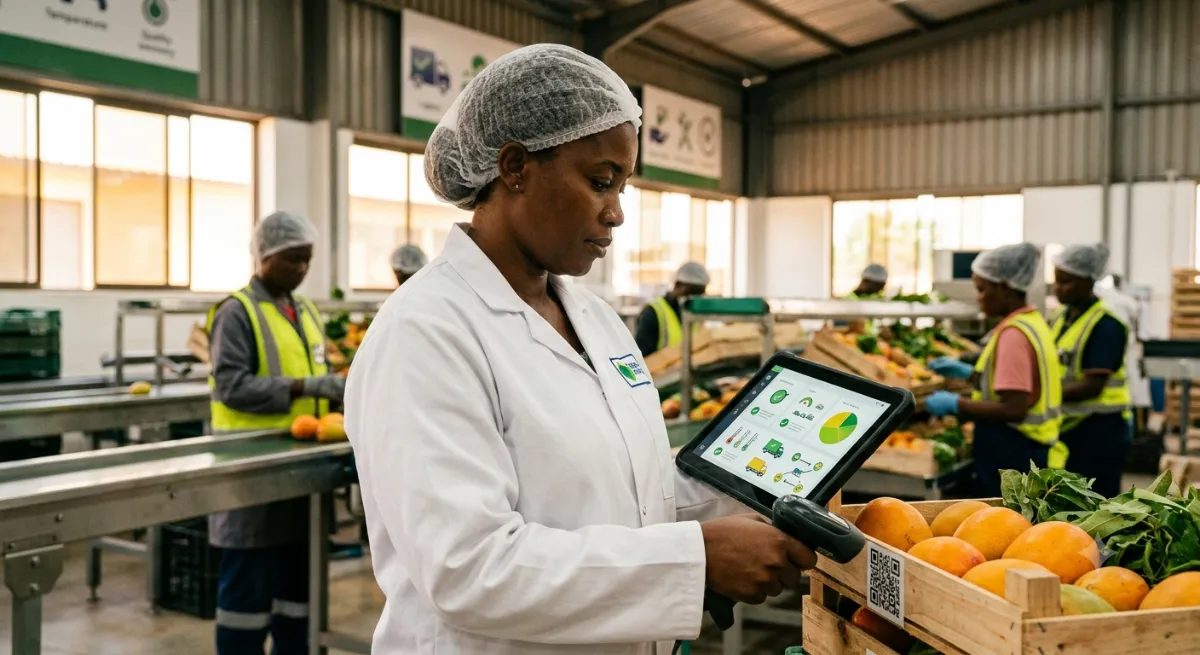
Compliance as a Cornerstone of Sustainable Food Production
For food production businesses in Nigeria and across Africa, navigating the intricate web of food safety regulations is more than just a legal obligation. It's a critical cornerstone for sustainable growth, consumer trust, and market access. Fragmented data systems and manual record-keeping often lead to non-compliance, risking substantial penalties and export barriers [19]. Nigeria alone loses an estimated $3.6 billion annually due to food contamination and records over 200,000 deaths, highlighting the severe public health and economic stakes involved. [5]
The Evolving Landscape of Food Safety Regulations in Africa
Understanding NAFDAC Requirements for Nigerian Producers
In Nigeria, the National Agency for Food and Drug Administration and Control (NAFDAC) sets stringent requirements for food producers. Compliance involves meticulous registration, accurate labeling (including ingredients, allergens, production, and expiry dates, and batch numbers), and adherence to strict hygiene guidelines [2, 8, 16, 18]. Non-compliance can result in hefty fines, potentially up to ₦800,000, imprisonment, or even business closure [17]. Many Nigerian businesses struggle with weak enforcement, poor traceability, and inadequate infrastructure, complicating their compliance journey. [5, 19, 21]
Harmonization Efforts Across the African Continent (AfCFTA, AfFSA)
Beyond national borders, the African Continental Free Trade Area (AfCFTA) is driving efforts to harmonize sanitary and phytosanitary (SPS) measures, facilitating regional trade. To support this, the Africa Food Safety Agency (AfFSA) was established in February 2025 and is anticipated to be fully operational by the end of 2026. [4, 6, 28] AfFSA aims to coordinate and modernize food safety policies, strengthen member states' capacity, and establish a continental food safety data hub and rapid alert system. [26]
Meeting International Standards for Export Opportunities (e.g., FSMA)
For African food businesses eyeing lucrative global markets, meeting international standards like the US Food Safety Modernization Act (FSMA) is non-negotiable. FSMA mandates a shift from reactive responses to proactive prevention of contamination, requiring robust food safety plans, hazard analysis, preventive controls, and comprehensive record-keeping [13, 23, 25]. Compliance with FSMA is crucial, as non-adherence can lead to product rejections, regulatory sanctions, fines, and significant legal liabilities, impacting export opportunities. [13, 35]
Data Management: Your Tool for Seamless Compliance
The complexity of these regulations necessitates a sophisticated approach to data management. Manual systems are simply no longer adequate.
Centralized Data Repositories for Auditable Records
A centralized data repository is fundamental. ERP systems like FoodYield provide a single source of truth for all production data, from raw material procurement to finished goods. This includes precise raw material costing, dynamic batch planning, and detailed records of every ingredient used in standard, mixed, or sub-batches. This ensures that when NAFDAC or international auditors arrive, every record is instantly accessible and auditable, demonstrating traceability from farm to fork. [15, 33]
Automated Monitoring and Alert Systems for Critical Control Points
Automating monitoring at Critical Control Points (CCPs) is vital for preventive control. For a commercial bakery, this could mean automated temperature monitoring during baking or chilling. FoodYield's ERP capabilities can integrate with sensors to provide real-time data, triggering immediate alerts if parameters deviate from safety standards. This proactive approach prevents potential contamination and ensures consistent product quality, minimizing the risk of costly recalls. [13, 38, 39]
Digitizing Quality Assurance and Control Processes
Digitizing QA/QC processes transforms compliance from a reactive burden into a proactive advantage. FoodYield enables digital checklists for quality checks, automated EOD inventory resets, and spoilage attribution analytics. This not only streamlines operations but also provides invaluable data to identify root causes of spoilage, which is a major issue in Nigeria, where an estimated 30-40% of food is wasted annually [9]. Understanding spoilage patterns allows businesses to implement corrective actions, reduce waste, and safeguard consumer health. [12]
Building a Proactive Compliance Culture Through Data
Training and Empowering Your Team with Data Access
Empowering your team with accurate, real-time data fosters a culture of compliance. When factory operators or kitchen managers have easy access to production schedules, ingredient traceability, and quality control metrics via an intuitive ERP interface, they become active participants in upholding safety standards. This shared understanding reduces errors and improves adherence to best practices, critical in an environment where poor food handling contributes to foodborne illnesses. [19]
Leveraging Technology for Audit Preparedness
Audit preparedness becomes effortless with a robust ERP system. Instead of scrambling to compile disparate spreadsheets and paper records, all necessary documentation—from batch production logs and ingredient sourcing to staff training records and spoilage reports—is systematically stored and easily retrievable. This efficiency not only saves time but also projects professionalism and transparency to regulatory bodies, reinforcing your commitment to food safety. [23]
From Compliance Burden to Competitive Advantage
Ultimately, data-driven food safety management transforms compliance from a mere burden into a significant competitive advantage. For a water bottling operation in Nigeria, precisely tracking raw water sources, filtration processes, and final product batches ensures regulatory adherence and builds consumer trust. The economic consequences of unsafe food in Africa are severe, with productivity losses estimated at $20 billion in 2016 alone [31, 32]. By minimizing risks, reducing waste, and opening doors to export markets, businesses using advanced ERP solutions like FoodYield not only protect consumers but also enhance their profitability and reputation.
Conclusion: Data-Driven Compliance: Protecting Consumers, Protecting Your Business
Navigating the complex landscape of food safety regulations in Africa demands a modern, data-centric approach. By implementing advanced cloud ERP systems that offer end-to-end management for raw material costing, dynamic batch planning, automated inventory, and critical spoilage analytics, food businesses can achieve seamless compliance. This proactive stance protects consumers, unlocks valuable market opportunities, and ultimately safeguards the long-term viability and success of your business in a competitive world.
Frequently Asked Questions
Q: What are the primary food safety regulations in Nigeria?
A: The National Agency for Food and Drug Administration and Control (NAFDAC) sets and enforces food safety regulations in Nigeria, covering product registration, labeling, and hygiene practices. [2, 16]
Q: How does data management help with NAFDAC compliance?
A: Data management systems centralize production records, automate monitoring of critical control points, and digitize quality assurance processes, providing auditable trails necessary for NAFDAC compliance. [13, 39]
Q: What is the role of the Africa Food Safety Agency (AfFSA)?
A: The AfFSA is an African Union initiative established to coordinate and harmonize food safety policies and regulations across the continent, facilitating trade and strengthening national capacities. [4, 26]
Q: Why is FSMA compliance important for African food businesses?
A: FSMA compliance is essential for African food businesses aiming to export to the United States, as it mandates preventive controls, hazard analysis, and robust traceability to ensure product safety and avoid trade barriers. [13, 23]
Q: How can ERP systems reduce food waste in production?
A: ERP systems like FoodYield reduce food waste through features like precise raw material costing, dynamic batch planning to optimize production, automated inventory resets, and spoilage attribution analytics to identify and address loss points. [10, 12]
Get the ZAAGOB Production Newsletter
Join 500+ food business owners receiving weekly strategies on unit economics, AI operations, and market growth.
FoodYield Intelligence
Weekly unit economics audits, demand forecasting tips, and AI strategies for African food producers.
Zero spam. Only high-value production intelligence.