The Value of Data: Fueling Business Growth & Operational Excellence
Anayo Ngwaka
ZAAGOB Expert

In today's rapidly evolving business landscape, data has transcended its traditional role as mere information. It is now recognized as one of the most valuable assets any organization can possess.
From streamlining operations to forging stronger customer relationships, the intelligent application of data empowers businesses to make informed decisions, innovate strategically, and achieve sustained growth.
Understanding the Essence of Data in Business Operations
At its core, business data encompasses every piece of information generated or collected by an organization. This includes sales figures, inventory levels, customer interactions, production metrics, raw material costs, and even employee performance.
This wealth of information, when properly collected and analyzed, shifts business operations from reactive guesswork to proactive, precision-driven strategies.
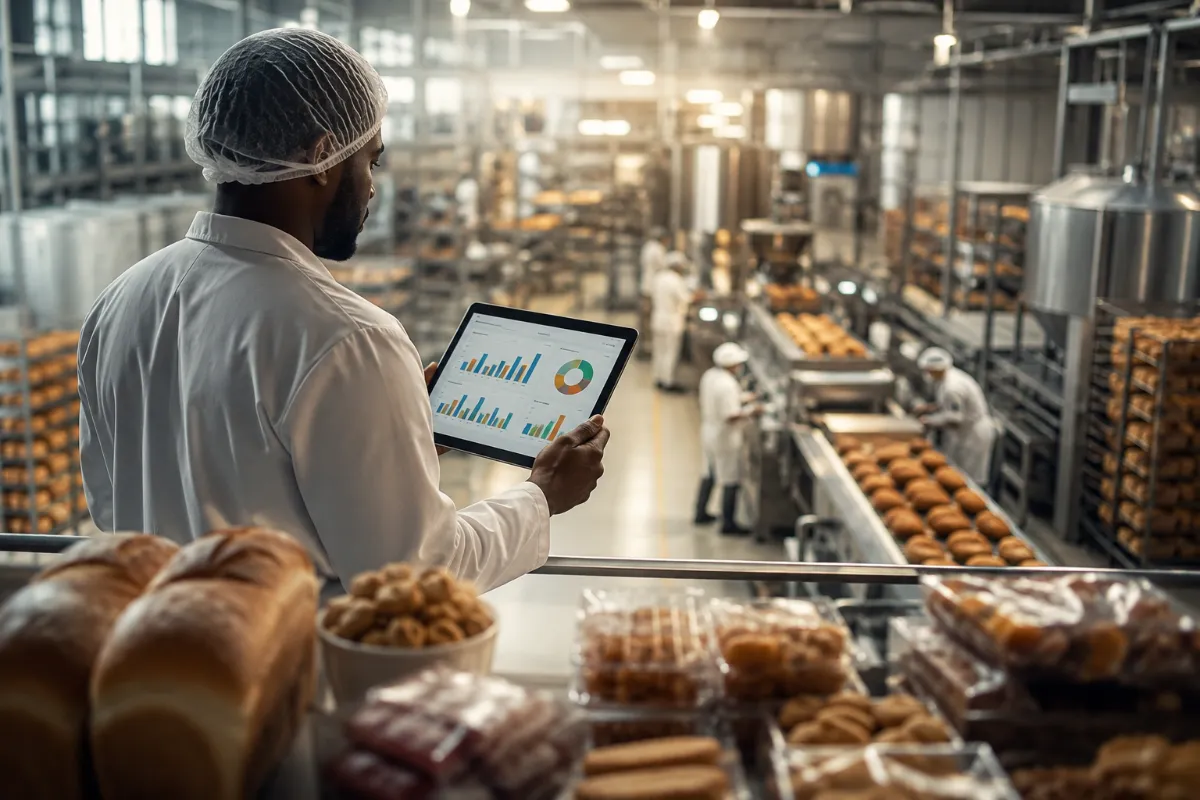
Consider a commercial bakery in Lagos. Without accurate data, forecasting daily bread production is a gamble. Too much, and you face spoilage; too little, and you miss sales opportunities.
With data, you know exact demand patterns, ingredient shelf-lives, and even the efficiency of each production batch.
The Pillars of Data-Driven Decision Making
Embracing a data-centric approach builds a robust foundation for organizational success. Here are the key areas where data delivers profound value:
1. Enhanced Operational Efficiency
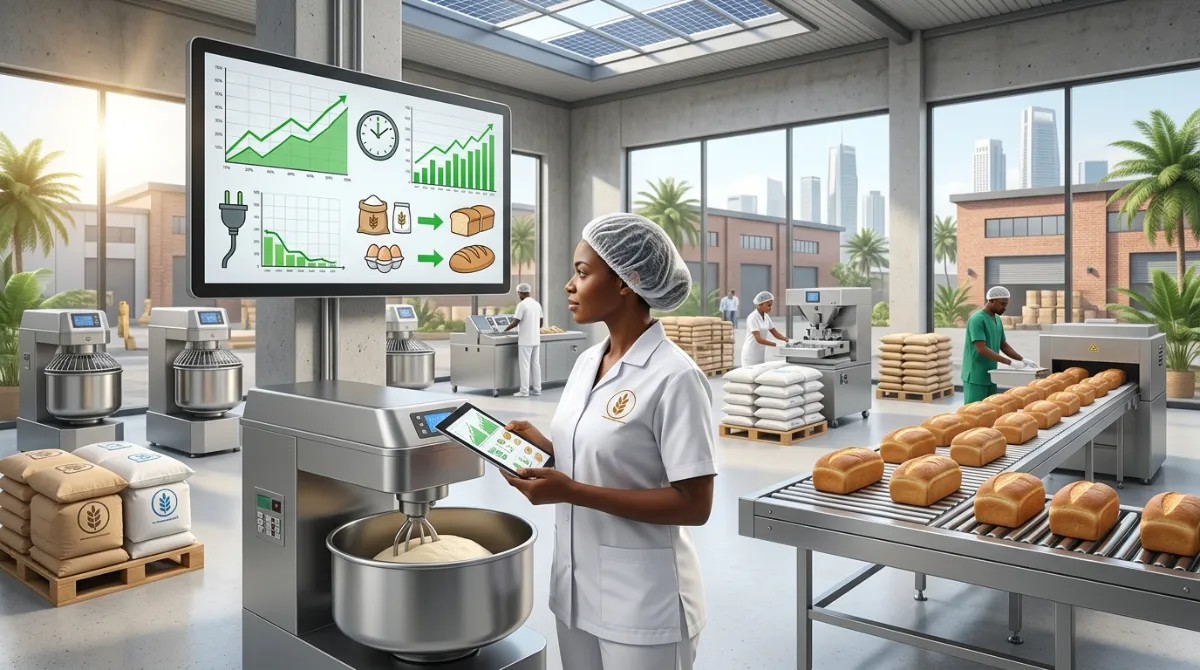
Data provides a microscopic view of every operational process. It highlights inefficiencies, identifies bottlenecks, and points towards areas ripe for optimization.
- Process Streamlining: By analyzing workflow data, businesses can pinpoint redundant steps or underperforming stages, leading to leaner operations.
- Resource Allocation: Data ensures that resources—be it raw materials, machinery, or human capital—are deployed precisely where they are most effective.
For a water bottling operation, real-time data on line speeds and downtime can reveal a consistently slow filling machine. Acting on this data, rather than anecdotal observations, allows for targeted maintenance and significant boosts in output.
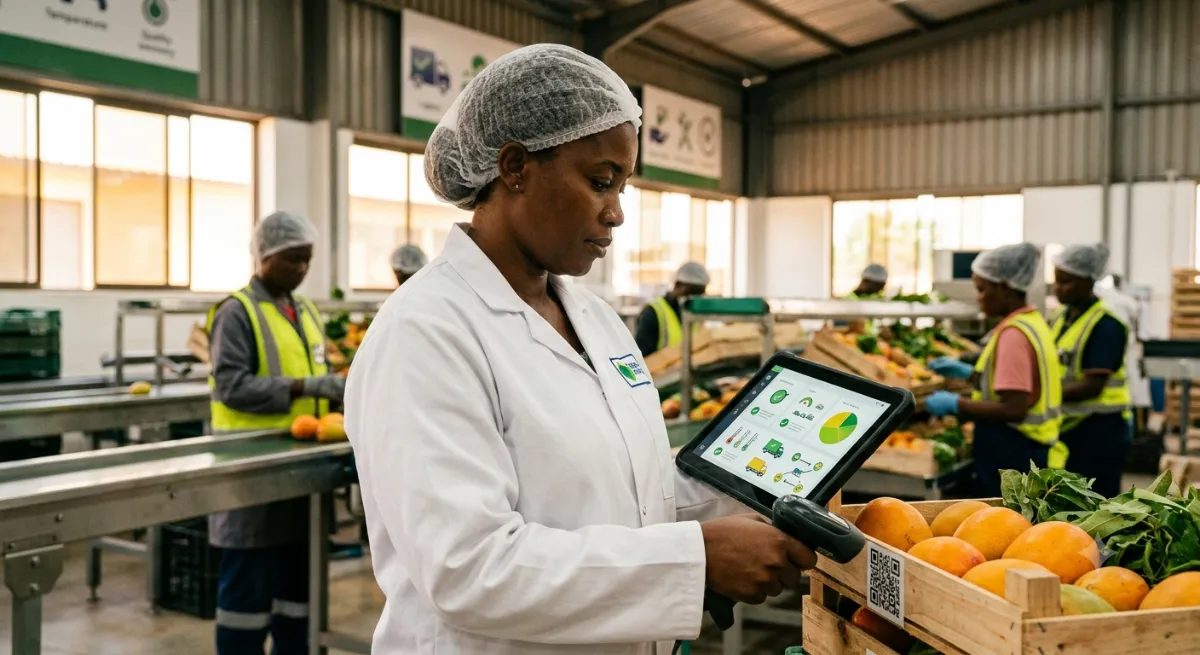
ZAAGOB seamlessly collects and presents this operational data, giving food production businesses the clarity needed to optimize every step from raw material intake to final product distribution.
2. Precision in Costing and Profitability
One of the most immediate and impactful benefits of data is its ability to refine financial accuracy. It moves businesses away from estimates to exact figures, particularly in areas like raw material costing and spoilage.
- Accurate Costing: Understanding the true cost of production for each unit, factoring in raw materials, labor, and overhead, becomes possible.
- Spoilage Attribution: Data allows for precise tracking of waste and spoilage, attributing losses to specific stages, batches, or ingredients.
Imagine a food factory experiencing untracked spoilage. If just ₦10,000 worth of ingredients or finished goods are wasted daily due to poor inventory rotation or mismanaged batches, this equates to over ₦3.6 million in lost profit annually. Data illuminates these hidden drains on capital.
ZAAGOB's advanced analytics for raw material costing, dynamic batch planning, and spoilage attribution analytics directly tackles these challenges, transforming potential losses into retained profits.
3. Superior Inventory Management
Effective inventory management is critical for profitability, especially in industries with perishable goods. Data eliminates the guesswork.
- Optimized Stock Levels: Predictive analytics, based on historical sales and seasonal trends, ensures optimal stock levels, preventing both overstocking (which ties up capital and risks spoilage) and understocking (which leads to missed sales).
- Waste Reduction: Real-time inventory data supports a 'first-in, first-out' (FIFO) strategy, significantly reducing spoilage and obsolescence.
A poultry processing plant, for example, can use data to track feed consumption rates, growth cycles, and market demand for different chicken parts, ensuring minimal waste and maximum sales value.
ZAAGOB provides automated EOD inventory resets and comprehensive end-to-end management, giving food production businesses unparalleled control over their stock.
4. Strategic Customer Relationship Management (CRM)
Beyond internal operations, data is invaluable for understanding and engaging customers.
- Personalized Experiences: Analyzing purchase history and preferences allows businesses to offer tailored products, promotions, and services.
- Targeted Marketing: Data segments customer bases, enabling highly effective and cost-efficient marketing campaigns.
A snack manufacturer can identify which products are popular in specific regions or among certain demographics, informing future product development and marketing spend.
ZAAGOB's integrated CRM communication tools help food production businesses leverage customer data to build stronger, more profitable relationships.
5. Risk Mitigation and Compliance
Data provides an early warning system, helping businesses anticipate and mitigate risks before they escalate.
- Supply Chain Resilience: Tracking supplier performance and global events helps predict potential disruptions.
- Regulatory Adherence: Data aids in maintaining meticulous records for audits and compliance with food safety and industry regulations.
Implementing a Data-Centric Strategy with ZAAGOB
Adopting a data-driven approach doesn't have to be complex. The process involves a clear framework:
- Identify Key Data Points: Determine what information is crucial for your specific business goals.
- Systematic Data Collection: Implement reliable methods for gathering this data accurately and consistently.
- Robust Analysis: Convert raw data into meaningful insights through analytical tools and expertise.
- Actionable Insights: Translate findings into concrete strategies and operational adjustments.
This is precisely where ZAAGOB excels. Our premium cloud ERP operating system is engineered to automate the entire data lifecycle for food production businesses in Nigeria and Africa. From real-time raw material costing to dynamic batch planning and automated inventory resets, ZAAGOB eliminates operational blind spots, prevents pricing mistakes, and tackles inventory leakage head-on.
By providing a unified platform for end-to-end management, ZAAGOB ensures that your business not only collects critical data but also transforms it into a powerful engine for profitability and strategic advantage.
The Future is Data-Driven: A ZAAGOB Perspective
The value of data is no longer a theoretical concept; it is an operational imperative. Businesses that harness the power of their data are not just surviving, they are thriving, adapting, and innovating at unprecedented rates.
Embrace the data revolution. Leverage the intelligence hidden within your operations to make smarter decisions, eliminate waste, and chart a course for sustainable growth.
With ZAAGOB, your journey towards a data-powered, highly efficient, and profitable future in food production begins today.
Frequently Asked Questions (FAQ)
Q: What is data-driven decision making?
A: Data-driven decision making is the process of using facts, metrics, and data to guide business strategies and choices, rather than relying on intuition or anecdotal evidence.
Q: How does data improve operational efficiency?
A: Data improves efficiency by identifying bottlenecks, revealing wasteful processes, and providing insights for optimizing workflows, resource allocation, and production schedules, leading to leaner operations and higher output.
Q: Can small and medium-sized businesses (SMBs) truly benefit from data analytics?
A: Absolutely. SMBs, particularly in the food production sector, can gain immense value from data by optimizing raw material costs, reducing spoilage, managing inventory precisely, and understanding customer demand, all of which directly impact their bottom line.
Q: What role does ZAAGOB play in data management for food businesses?
A: ZAAGOB is an advanced cloud ERP system that automates the collection, analysis, and reporting of critical operational data for food production businesses. It provides end-to-end management for raw material costing, batch planning, inventory resets, spoilage analytics, and CRM, transforming raw data into actionable insights for strategic growth.
Get the ZAAGOB Production Newsletter
Join 500+ food business owners receiving weekly strategies on unit economics, AI operations, and market growth.
FoodYield Intelligence
Weekly unit economics audits, demand forecasting tips, and AI strategies for African food producers.
Zero spam. Only high-value production intelligence.